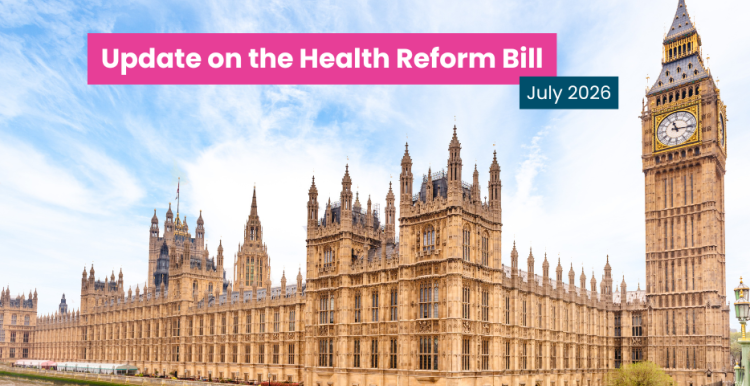
Update on the Health Reform Bill: Parliament Debates the Future of Independent Patient Voice
The opposition
The Opposition delivered a united, cross party, evidence-based defence of Healthwatch, arguing that the patient voice must remain integrated, local, and independent. They warned that shifting these duties in-house would leave Integrated Care Boards (ICBs) to "mark their own homework."
They argued that the Government has misdiagnosed the problem. The issue is not a failure of independent watchdogs, but a cultural failure of commissioners who systematically ignore patient feedback when it is inconvenient.
As one member noted: "Without Healthwatch, the ICB and county council would have continued to ignore local residents by simply refusing to ask the question that they did not want the answer to."
The Government's Case
Leading the Government's argument, Dave Robertson MP and Secondary Care Minister Karin Smyth countered that an outside watchdog inadvertently becomes remote and ineffective. They argued that transferring the role to ICBs is the only way to "drive cultural difference and change inside the organisation, rather than being outside of it."
The Minister concluded that the current 52-year-old separate structure simply "has not delivered, and it cannot continue to try."
Our view
To suggest that Healthwatch "has not worked" relies on the conclusions of the Dash and ignores copious evidence that proves that it has in fact worked very well indeed.
Locally, we detail tangible improvements in all of our reports. They are extensive, evidenced and verified by the organisations that make the changes.
Blaming an independent watchdog for the broader crisis in the NHS is little more than shooting the messenger. Healthwatch didn’t just collect the evidence, it briefed Select Committees, mayors, and the media and lobbied NHS decision makers.
The dentistry crisis, for instance, is a failure of government and management by the DHSC, NHS England, and ICBs. It is not a failure of the data collected by Healthwatch or a failure of Healthwatch to hold public bodies to account.
Expecting these same internal departments that ignored this evidence and pressure to collect evidence that proves their own failures and to hold themselves and their bosses to account is an inherent paradox.
What Happens Next?
While the vote on Clause 65 was lost in Committee, the Opposition's robust, evidence-backed showing has laid a strong foundation for the next stage. The arguments now move to the House of Lords, where amendments protecting independent scrutiny are highly likely.
The committee also revealed that Government backbenches do not universally support the move. Labour Committee member Liz Twist MP pressed the Minister for assurances on "how we maintain within the new arrangements the ability to speak up on behalf of others" once watchdogs are gone.
The Opposition quoted several Labour MPs speaking critically of the plan to abolish Healthwatch including the Member for Makerfield, Andy Burnham: "People speak to Healthwatch because they are outside the system—they are impartial, trusted, and provide a safe space for concerns to be shared."
For the next month or two, the future of independent patient voice remains undecided.
Regardless of the legislative timeline, Healthwatch Richmond will continue to operate as usual until at least the end of March 2027. We are still here to answer your questions and champion your care.
Our teams are busy driving improvements for our community by visiting local care homes, reviewing hospital discharge, and examining the way that people on waiting lists are managed.
We will ensure your voice continues to be heard loudly, clearly, and independently.